Why you should figure out your color season. . . post 1 of many
Introduction:
A few years back I had a couple of big trips planned, one with my husband to Italy and one to Mexico with my girlfriends. As you can imagine I was SO excited about these trips that I went out and purchased an embarrassing amount of new clothes to pack. The trips were fantastic experiences that I won’t ever forget but when I was looking through the pictures afterward, I was deflated and surprised by how I looked. I looked old. I looked tired. I was smiling and happy, but my skin had a strange pallor to it. If you are anything like me, you can empathize with how I immediately started spiraling and Googling: Do I have a vitamin deficiency? What facial products help with old/tired skin? What in the world is going on?!

Me in Mexico looking tired
Fast forward and all my searching led me to Color Season Theory. Turns out, I didn’t have a vitamin deficiency or a need to purchase a plethora of expensive products. I just needed the knowledge that I was wearing the wrong colors, and it was making me look “off”. I was selecting colors that I thought I liked on other people but weren’t well suited for me. Color Theory is basically selecting colors that align and enhance your individual natural undertones. The different palettes are divided into seasons which I will eventually get to. You’ve probably seen the videos where they are draping the client in all these different colors and then drum roll . . . everyone in the room instantly knows and agrees what color palette they are! Well, if you are looking at those videos and are completely perplexed by what those people are seeing you are not alone. It can be tricky to see through a camera. I don’t think discovering your season is that simple and I feel like it is extremely subjective. That said, I want to share with you how I found my season and try to make it easier for you to discover yours.
I am by no means an expert, but I am a believer. Now that I am in the right colors I get compliments all the time on how pretty my hair is, how nice my skin looks, and how vibrant I look. I would like to say I’m not a vain person, but I won’t lie, it feels nice to hear people tell you you’re beautiful. I’m not telling you this to brag but instead to convince you to find your colors and your confidence.

Years after the previous picture was taken but I look and feel younger in the right colors
Let’s Jump into understanding color:
Let us take a trip back to the basics of elementary art class. If you are not an artist and you don’t obsess about color like I do, it may have been a hot moment since you have thought of the primary colors. If you will indulge me and dig deep into the recesses of your mind, try to remember the primary colors red, yellow, and blue. You can mix these three colors and get every other possible color known to woman. Absolute magic in my opinion! Okay, pay attention because this is the most important part of the Color Season Theory: warm colors vs cool colors. Yellow based colors are warm- think, warm yellow sunshine. Blue based colors are cool- think, cool ice blue.
The Color Season Theory is taking this idea of warm and cool colors and matching them to your skin’s natural undertone.
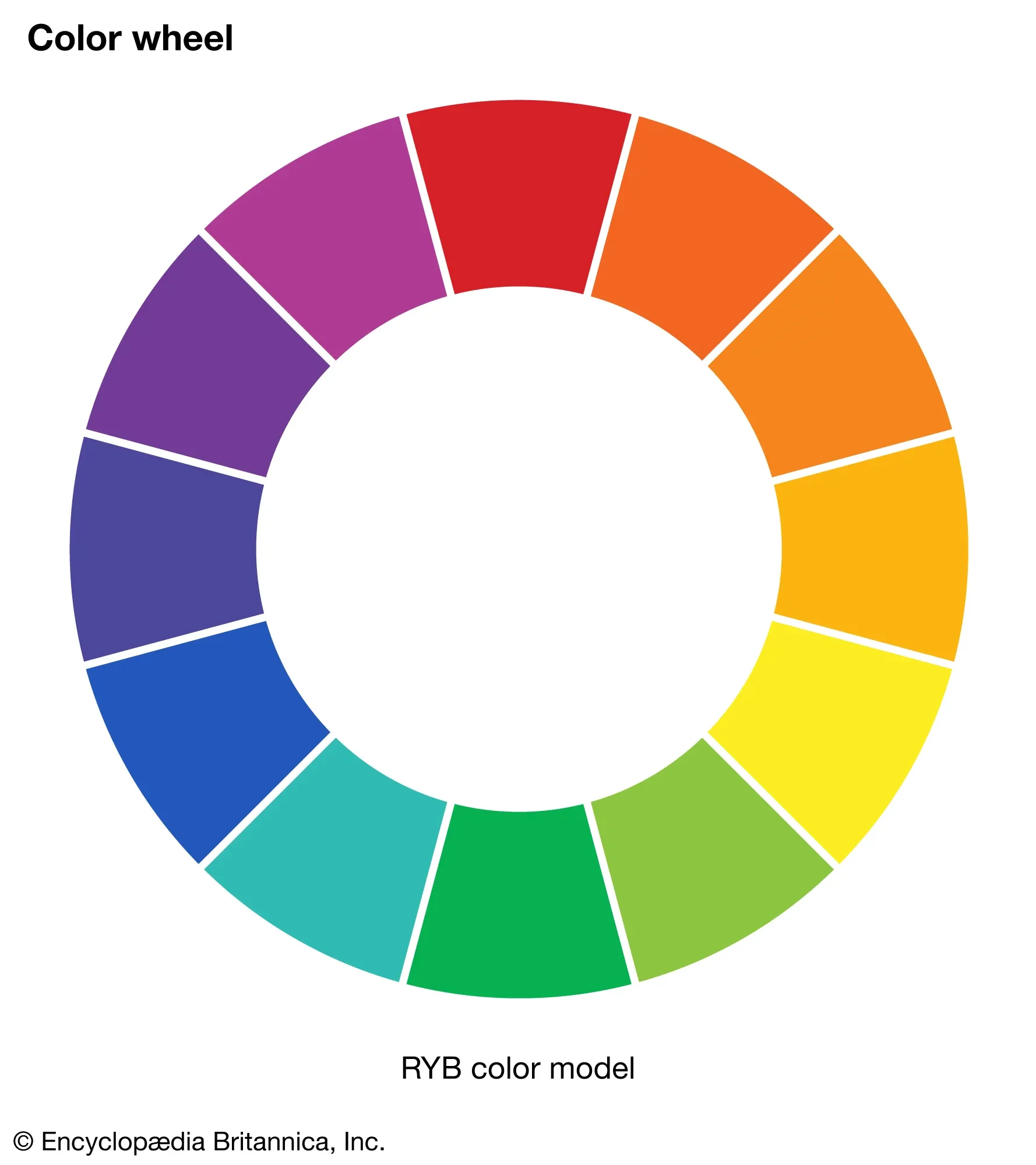
When you look at the wheel you can basically cut it in half vertically. Blue side= cool. Yellow side = warm.
4 kinds of undertones:
warm
cool
neutral-cool leaning
neutral- warm leaning
*this isn’t just white people either, people of color fall into these categories too.
* Tanning won’t make you change undertones; you keep your same baseline coloring even with a tan over it (I get asked this a lot)
* As you age and get gray hair. . . it won’t change your undertone (also asked about this a lot).
So, if you have a “cool” undertone, your skin will appear bluish and if you have a “warm” undertone, your skin will lean more toward yellow. I like to think about the Disney movie Frozen with this because Elsa and Anna are perfect examples of cool and warm (yes, I know they are animation but follow along) The Elsa/Anna image is an exaggeration of what you are looking for in real life but it emphasizes what cool/blue (Elsa) and warm/yellow (Anna) look like. Neutral undertones are a little extra tricky because you have a mix of both cool and warm but, don’t worry, inevitably you will have colors that look better on you. When you find which colors are harmonious with your undertones you look brighter and more vibrant. When you are in colors that are the opposite of your natural undertone, they fight each other and it ends up causing you to look tired and gray. It is like mixing colors on a palette, if you mix opposite colors you end up getting “mud”. I recommend if you have a paint set and this concept isn’t quite clicking with you that you play and take two opposite colors from the color wheel red/green, blue/orange, or yellow/purple and mix them together. You will end up making variations of brown and gray. This is what is happening to your appearance when you wear colors that aren’t harmonious: it muddies your complexion.

Okay, I’ve given you a lot to chew on here and I don’t want to overwhelm you. I will continue this discussion in my next blog post where I will give you tips on how to discover your own undertone and break down the color seasons.
